


Solar Water Pump System: From Photovoltaic Array to Intelligent Operation and Maintenance Solution
1. System core equipment composition
1. Photovoltaic array: the energy source of the system
-
Component selection :
-
Monocrystalline silicon modules (efficiency>22%) are preferred, and bifacial modules can increase power generation by 5%-15%.
-
Power matching principle: Array peak power ≥ pump rated power × 1.3 (compensate for line loss and efficiency loss)
-
-
Bracket system :
-
Tilt adjustment: Manually adjustable according to latitude ±15° (e.g. the best tilt angle is 35° in the area of 30° north latitude)
-
Wind resistance design: It must meet the local maximum wind speed 1.5 times redundancy (e.g. 25m/s area is designed as 37.5m/s)
-

2. MPPT Solar Pump Inverter: Intelligent Control Center
-
Core technical indicators :
parameter Industry Standards High performance requirements MPPT efficiency >98% >99% Input voltage range 90-450VDC 60-600VDC Protection level IP65 IP67 (dust and water resistant) Communication interface RS485 4G+Bluetooth+LoRa -
Key features :
-
Multi-peak tracking technology: maintain more than 90% output even in shadows
-
Motor protection algorithm: real-time monitoring of 16 fault conditions (dry running/overload/blocked rotor, etc.)
-
Solar-storage synergy mode: optional battery to achieve continuous operation day and night
-
3. Pump unit: energy conversion terminal
-
Type selection :
Pump Type Applicable scenarios Lift range Efficiency range Centrifugal Pumps Large flow and low lift (river irrigation) 10-50m 55%-75% Submersible pumps Deep well water extraction 50-300m 60%-80% Positive displacement pump High head and small flow (water supply in mountainous areas) 100-1000m 40%-60% -
Material requirements :
-
Flow-through parts: 304 stainless steel (fresh water) / duplex stainless steel (sand-containing water)
-
Cable: Weather-resistant TPU sheath, UV resistance level UV3
-
4. Water storage and distribution system
-
Water storage device :
-
Ground water tank: The capacity is designed based on the average daily water consumption × 3 (to cope with rainy weather)
-
Pressure tank: maintain constant water supply pressure (0.3-0.6MPa)
-
-
Pipeline Network :
-
Main pipeline: HDPE pipe (weather resistant/freezing crack resistant)
-
Drip irrigation system: pressure-compensated dripper (uniformity > 90%)
-
2. Auxiliary equipment and intelligent operation and maintenance kit
1. Structural support system
-
Photovoltaic bracket :
-
Hot dip galvanized steel (thickness ≥ 2.75mm)
-
Concrete foundation: burial depth ≥ frozen soil layer + 0.5m (typically 1.2m in northern regions)
-
-
Water pump mounting bracket :
-
Special guide bracket for deep well pump (made of stainless steel 316)
-
Shock absorber: rubber isolator (vibration attenuation rate> 80%)
-
2. Cable and electrical protection
-
DC side cable :
-
Specification: PV1-F 4mm² (withstand voltage 1.8kV)
-
Wiring requirements: separate positive and negative wiring, spacing ≥ 10cm (reduce PID effect)
-
-
Protective devices :
-
DC fuse: rated current ≥1.56×Isc
-
Lightning arrester: 8/20μs waveform, current flow ≥ 20kA
-
3. Intelligent monitoring system
-
Hardware composition :
-
Data collector: Support Modbus RTU/TCP protocol
-
Environmental sensors: irradiance/temperature/wind speed monitoring
-
-
Software features :
-
Mobile APP: Real-time view of power generation/water flow/equipment status
-
Early warning system: Failure prediction 12 hours in advance (accuracy > 85%)
-
Data analysis: Generate monthly reports on water usage/electricity generation
-
3. Typical system configuration and cost analysis
Case: 50 acres of orchard irrigation system
-
Demand : Daily water supply 60m³, head 35m, available 24 hours a day
-
Equipment List :
equipment Specification quantity Cost (USD) Photovoltaic panels 450W single crystal double-sided 24 6,480 Inverter 7.5kW MPPT IP67 1 1,850 Centrifugal Pumps 5HP Stainless Steel 1 1,200 Water storage tank 20m³ PE material 1 1,600 Monitoring system 4G IoT Edition 1 450 total 11,580 -
Compared with traditional diesel pumps :
-
Annual operating cost: Solar pump 180, diesel pump 180 vs diesel pump 2,340
-
Payback period: 2.1 years (IRR 38%)
-
4. Equipment selection suggestions for special environments
1. Desert areas
-
Challenge : High temperature (>50℃) + dust (TSP>1mg/m³)
-
Solution :
-
Inverter: Equipped with self-cleaning heat dissipation duct (dust removal efficiency > 95%)
-
Components: Increase the installation angle by 5°-10° (reduce sand accumulation)
-
2. Alpine regions
-
Challenge : Low temperature (<-30℃) + frozen ground
-
Solution :
-
Water pump: built-in electric heating belt (power 30W/m)
-
Pipeline: heating tape + polyurethane insulation layer (thickness ≥ 50mm)
-
3. Coastal salt spray environment
-
Protective measures :
-
Metal parts: 316L stainless steel + epoxy coating (salt spray resistant 3000h)
-
Connector: Gold-plated contacts (contact resistance < 0.5mΩ)
-
5. Industry trends and equipment upgrade paths
1. Technology iteration direction
-
Components : TOPCon/HJT battery mass production (efficiency>25%)
-
Inverter : Popularization of SiC devices (system efficiency exceeds 99%)
-
Water pump : Permanent magnet synchronous motor (efficiency>IE5)
2. Intelligent upgrade
-
Digital Twin: Virtual commissioning reduces installation time by 40%
-
Blockchain water rights management: Accurate water consumption measurement and trading
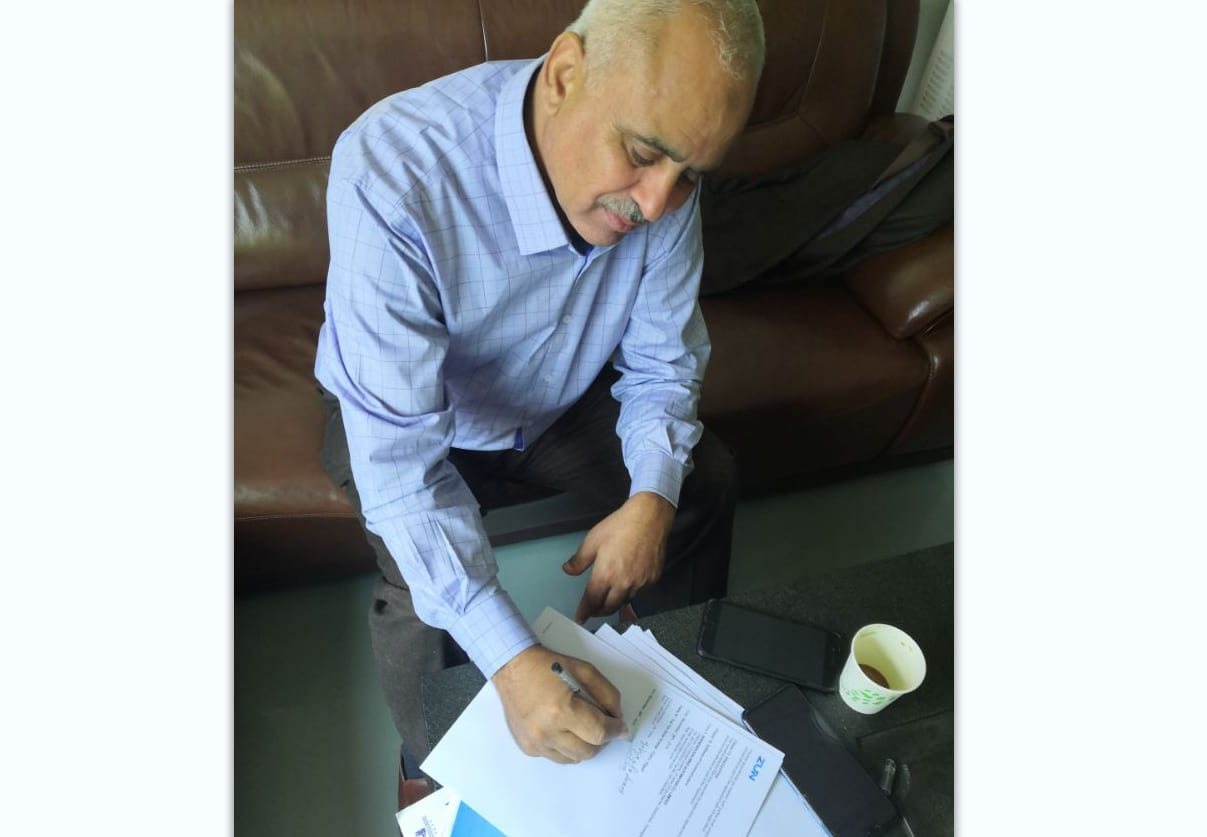
Congratulations to Mr YAHIA for being ZK solar pump inverter and VFD Exclusive agent in Egypt
Related Article
SEND MESSAGE