


What is a Solar Powered Water Pump
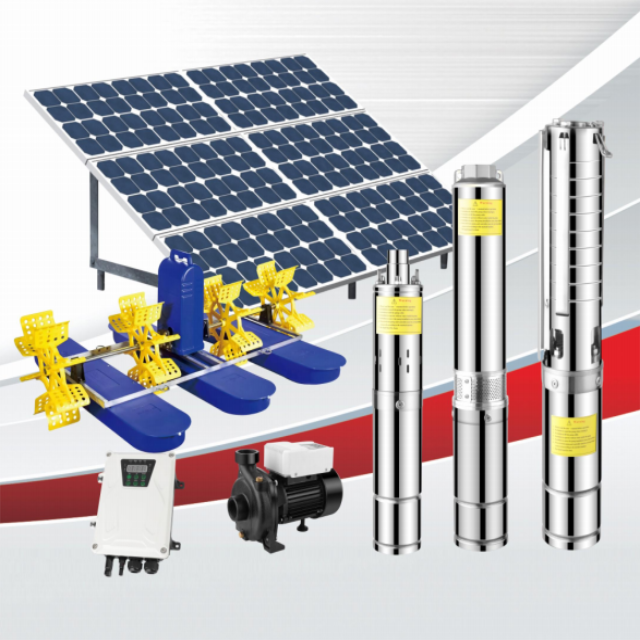
A solar-powered water pump is a sophisticated yet environmentally conscious system that harnesses the abundant energy of the sun to extract and transport water efficiently. This innovative technology integrates several key components, each playing a vital role in converting solar radiation into mechanical energy that powers the water pumping process.
Core Components of a Solar-Powered Water Pump:
- Photovoltaic (PV) Panels: These are the heart of the system, converting sunlight directly into usable electrical energy. Arranged in an array, the PV panels capture photons from the sun and generate direct current (DC) electricity. The efficiency and output of the panels depend on factors such as their size, quality, and the intensity of sunlight.
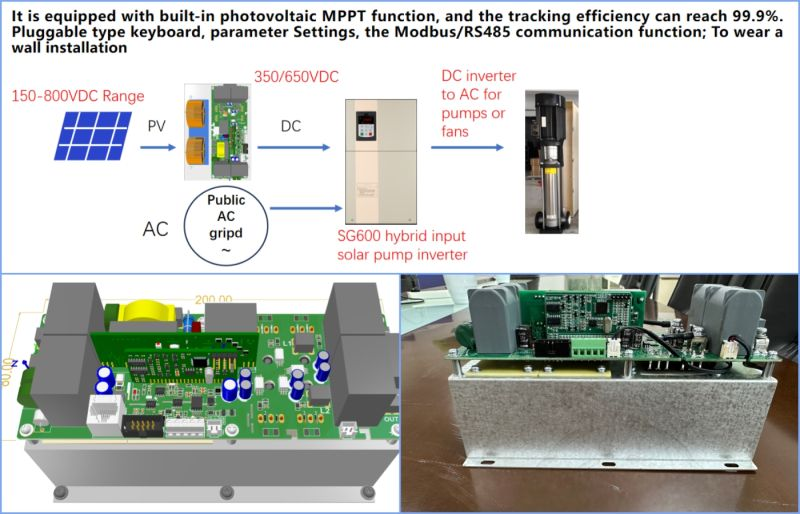
- Charge Controller: The charge controller regulates the flow of electricity from the PV panels to the battery bank, preventing overcharging and ensuring optimal battery life. It also converts the DC electricity from the panels into alternating current (AC), if needed, to match the requirements of the pump motor.
- Battery Bank: The battery bank stores the electricity generated by the PV panels, providing a reliable source of power even during periods of low sunlight or at night. The size and capacity of the battery bank depend on the water pump's power requirements and the expected duration of autonomy (i.e., the length of time the pump can operate without sunlight).
- Pump Motor: The pump motor is the driving force behind the water pumping process. It converts the electrical energy from the battery bank into mechanical energy, driving the impeller within the pump to create suction and pressure, thereby lifting and transporting water. The type of motor (e.g., DC or AC) and its power rating are tailored to the specific needs of the application.
- Water Pump: The water pump itself is the mechanical device responsible for extracting water from the source and delivering it to the desired location. There are various types of pumps suitable for solar-powered systems, including centrifugal pumps, submersible pumps, and jet pumps, each with their unique advantages and applications.
Operation of a Solar-Powered Water Pump:
During daylight hours, the PV panels generate electricity, which is stored in the battery bank through the charge controller. When the pump motor is activated, it draws power from the battery bank and drives the water pump, creating a flow of water from the source to the desired destination. The entire process is automated, with the system monitoring sunlight levels, battery charge, and pump performance to ensure optimal efficiency and reliability.
Advantages of Solar-Powered Water Pumps:
- Environmentally Friendly: Solar-powered water pumps do not emit greenhouse gases or require fossil fuels, making them a clean and sustainable alternative to traditional power sources.
- Cost-Effective: In the long run, solar-powered pumps can significantly reduce energy costs, especially in remote or off-grid locations where electricity is expensive or unavailable.
- Reliable: With no moving parts exposed to the elements (in the case of submersible pumps), solar-powered pumps can offer years of trouble-free operation, minimizing maintenance requirements and downtime.
- Versatile: Suitable for a wide range of applications, including agriculture, irrigation, livestock watering, and domestic water supply, solar-powered pumps can be tailored to meet specific needs and budgets.
In summary, solar-powered water pumps represent a cutting-edge solution for water extraction and transportation, offering numerous benefits in terms of environmental sustainability, cost-effectiveness, reliability, and versatility.
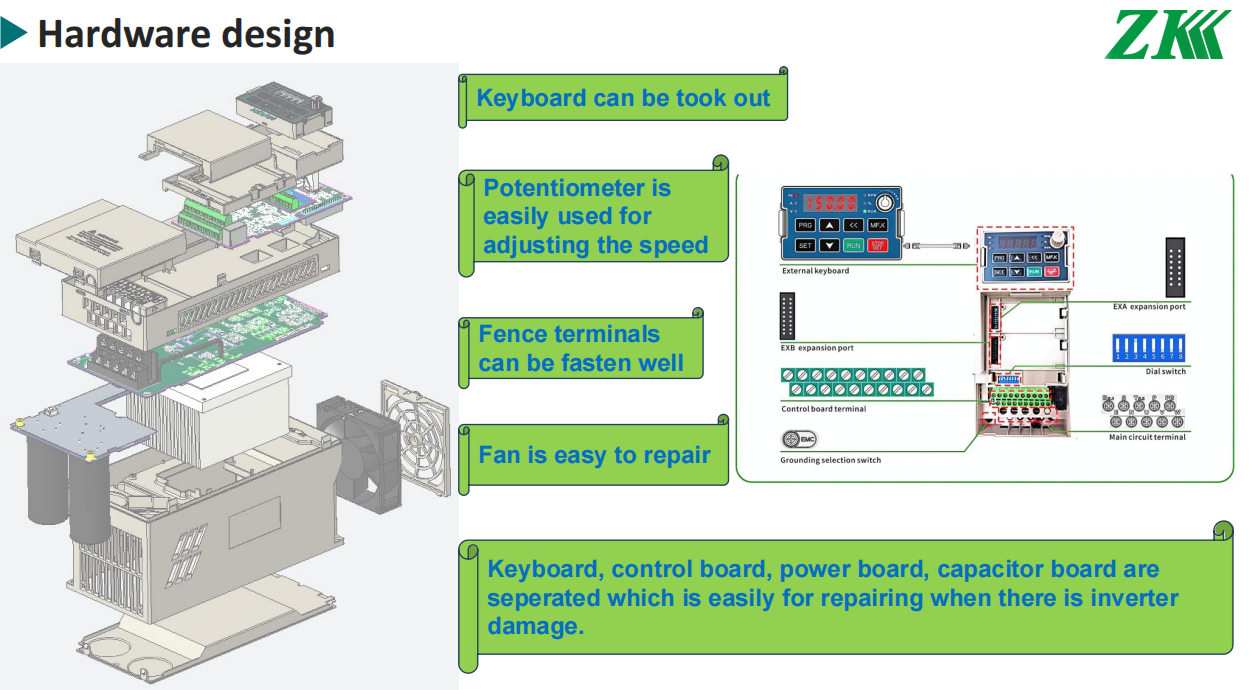
New modular design solar pump inverter, with easy to maintain and replace parts.
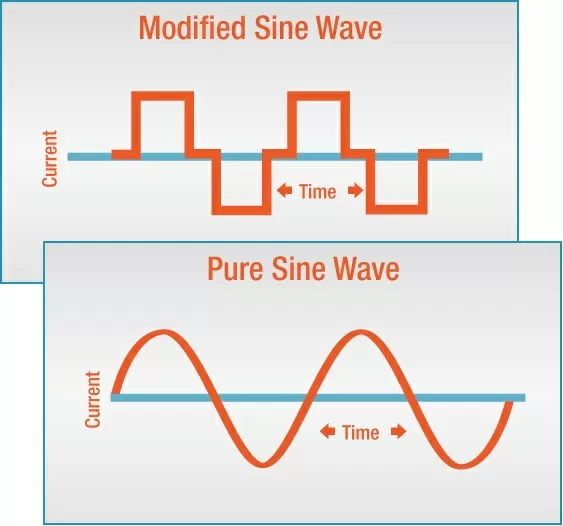
Two Types Off Grid Inverters Introduction
Related Article

SEND MESSAGE