


Application of Inverters in High-Speed Permanent Magnet Aerators for Aquaculture

In the modern aquaculture industry, technological innovation serves as a key driver for industrial upgrading. The integration of high-speed permanent magnet aerators with advanced inverter technology is emerging as a new favorite in the sector, thanks to its outstanding performance and significant economic benefits. This article will delve into a successful application case of inverters in high-speed permanent magnet aerators, showcasing its superiority through technical specifications and data analysis.
Overview of Technical Specifications
High-Speed Permanent Magnet Synchronous Motor (PMSM):
- Efficiency: Exceeding 96%, significantly higher than traditional motors.
- Rotation Speed: Reachable up to 20,000 RPM through inverter control, meeting high-speed aeration requirements.
- Transmission Efficiency: Direct-connection design between the motor shaft and impeller, resulting in zero transmission loss and 100% transmission efficiency.
- Corrosion Resistance: Precision-manufactured with aviation-grade aluminum, ensuring strong corrosion resistance for long-term stable operation.
Inverter:
- Frequency Range: Adjustable based on actual demand, enabling precise control over motor speed and airflow.
- Starting Current: Achieving significant torque with low starting current, as low as 4.5% of the rated current.
- Intelligent Control: Capable of voltage regulation, frequency modulation, speed adjustment, remote monitoring, fault early warning, and data analysis.
Data Analysis and Application Effects
Energy Savings:
- After introducing high-speed permanent magnet aerators with inverters, continuous operation monitoring revealed an average annual energy savings of over 40% compared to traditional Roots blowers. For a 7.5 kW high-speed permanent magnet aerator, this translates to annual electricity cost savings of approximately RMB 30,000 to 50,000.
Aeration Efficiency:
- The aeration efficiency of high-speed permanent magnet aerators has increased significantly. The centrifugal impeller generates a continuous and stable airflow with no pressure decay over time. Experimental data indicates that, at the same power level, its aeration efficiency is approximately 25% higher than traditional Roots blowers.
Maintenance Costs:
- Thanks to the integrated design and intelligent control, mechanical wear and failure rates of high-speed permanent magnet aerators have been significantly reduced. According to farm statistics, maintenance costs are approximately 30% lower compared to traditional equipment. Additionally, the remote monitoring and fault预警 functions of the inverter further minimize downtime and losses due to equipment malfunctions.
Economic Benefit Analysis:
- By combining the improved energy savings, aeration efficiency, and reduced maintenance costs, high-speed permanent magnet aerators offer remarkable economic benefits. In a medium-sized aquaculture farm, replacing all traditional aeration equipment is projected to increase annual farm income by tens of thousands of RMB, with a short payback period for the investment.
Conclusion
This case report, through detailed technical specifications and data analysis, demonstrates the successful application of inverters in high-speed permanent magnet aerators. The high efficiency, low noise, and high transmission efficiency of the PMSM, coupled with the precise control and intelligent management of the inverter, have not only significantly enhanced aeration efficiency and energy savings in aquaculture but also reduced maintenance costs and improved economic performance. As technology continues to advance and applications expand, this innovative solution is poised to play a crucial role in promoting green and sustainable development in the aquaculture industry.
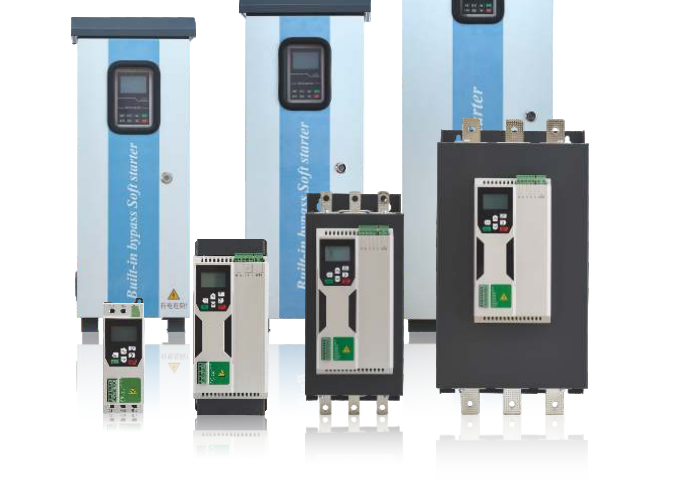
Soft Starter: The Smart Solution for Smooth Motor Control and Energy Savings
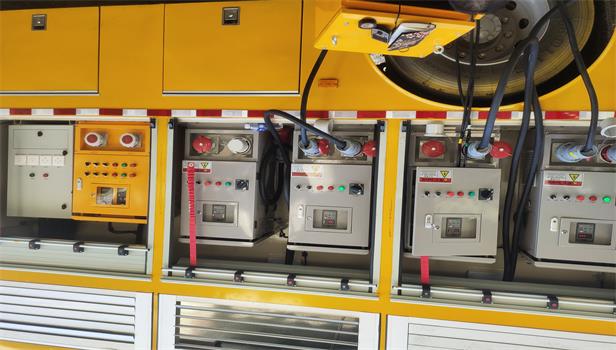
VFD-The Guardian of Power and Efficiency in Engineering Rescue Vehicles
SEND MESSAGE