


Solar Pump Inverter: The Smart Solution for Efficient Solar Water Pumping
What Is a Solar Pump Inverter?
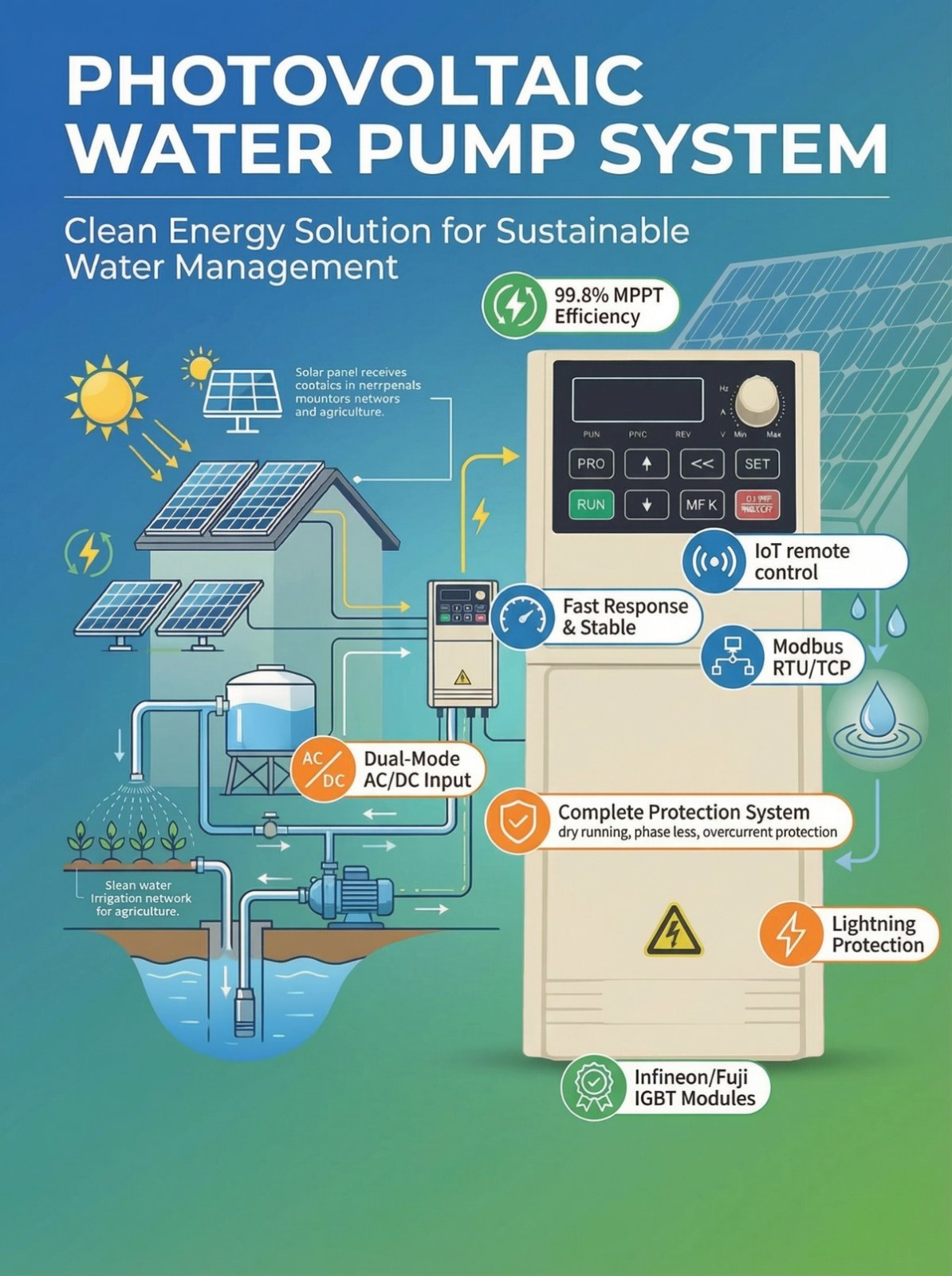
A solar pump inverter, also known as a solar pumping drive or solar VFD, is an intelligent device that converts DC power generated by solar panels into AC power to drive water pumps. It automatically adjusts the motor speed according to sunlight intensity, ensuring efficient and stable water pumping throughout the day.
Solar pump inverters are widely used in agricultural irrigation, livestock watering, rural water supply, desert greening, and industrial water systems.
How Does a Solar Pump Inverter Work?
P=V×I
A solar pump inverter receives DC electricity from photovoltaic (PV) panels and converts it into variable-frequency AC output for AC pumps. Through MPPT (Maximum Power Point Tracking) technology, the inverter continuously optimizes the solar energy utilization to maximize pumping efficiency.
Main working process:
- Solar panels generate DC power
- The inverter converts DC to AC
- Variable frequency control adjusts motor speed
- The water pump operates efficiently under changing sunlight conditions
This intelligent control system helps save energy, reduce operating costs, and extend pump lifespan.
Key Features of Solar Pump Inverters
1. MPPT Technology for Maximum Efficiency
Advanced MPPT algorithms can achieve up to 99% tracking efficiency, allowing the system to extract maximum power from solar panels.
2. Hybrid AC/DC Input
Many modern solar pump inverters support both solar DC input and AC grid or generator input, ensuring continuous water supply even during cloudy weather or nighttime.
3. Soft Start Protection
The inverter provides smooth motor starting, reducing mechanical shock and protecting the pump system.
4. Intelligent Protection Functions
Built-in protections include:
- Over-voltage protection
- Under-voltage protection
- Dry-run protection
- Over-current protection
- Over-temperature protection
5. Remote Monitoring
Some advanced models support RS485, Modbus RTU, WiFi, or IoT cloud monitoring for real-time system management.
Applications of Solar Pump Inverters
Solar pump inverter systems are commonly used in:
- Agricultural irrigation systems
- Drip irrigation projects
- Livestock watering
- Rural drinking water supply
- Fish farming
- Desert and remote area water pumping
- Industrial water circulation systems
These applications are especially suitable for regions with unstable electricity supply or high diesel fuel costs.
Advantages of Using Solar Pump Inverters
Energy Saving
Solar energy is clean and renewable, significantly reducing electricity and fuel expenses.
Low Maintenance Cost
Compared with diesel pumping systems, solar pumping systems require less maintenance and have longer service life.
Environmentally Friendly
Solar pump systems produce zero carbon emissions and help support sustainable agriculture and green energy development.
Easy Installation
The system structure is relatively simple and suitable for remote off-grid areas.
How to Choose the Right Solar Pump Inverter
When selecting a solar pump inverter, consider the following factors:
- Pump motor power (HP or kW)
- Pump type (submersible or surface pump)
- Input voltage range
- AC or hybrid backup requirement
- Protection level (IP rating)
- Communication protocols
- Environmental conditions
Proper inverter sizing ensures stable operation and optimal system efficiency.
Why Solar Pump Inverters Are the Future of Water Pumping
With increasing global demand for renewable energy and smart irrigation systems, solar pump inverters are becoming an essential solution for modern agriculture and water management.
They provide:
- Lower operating costs
- Energy independence
- Smart automation
- Sustainable water supply
As solar technology continues to advance, solar pump inverter systems will play an even more important role in global farming and industrial applications.
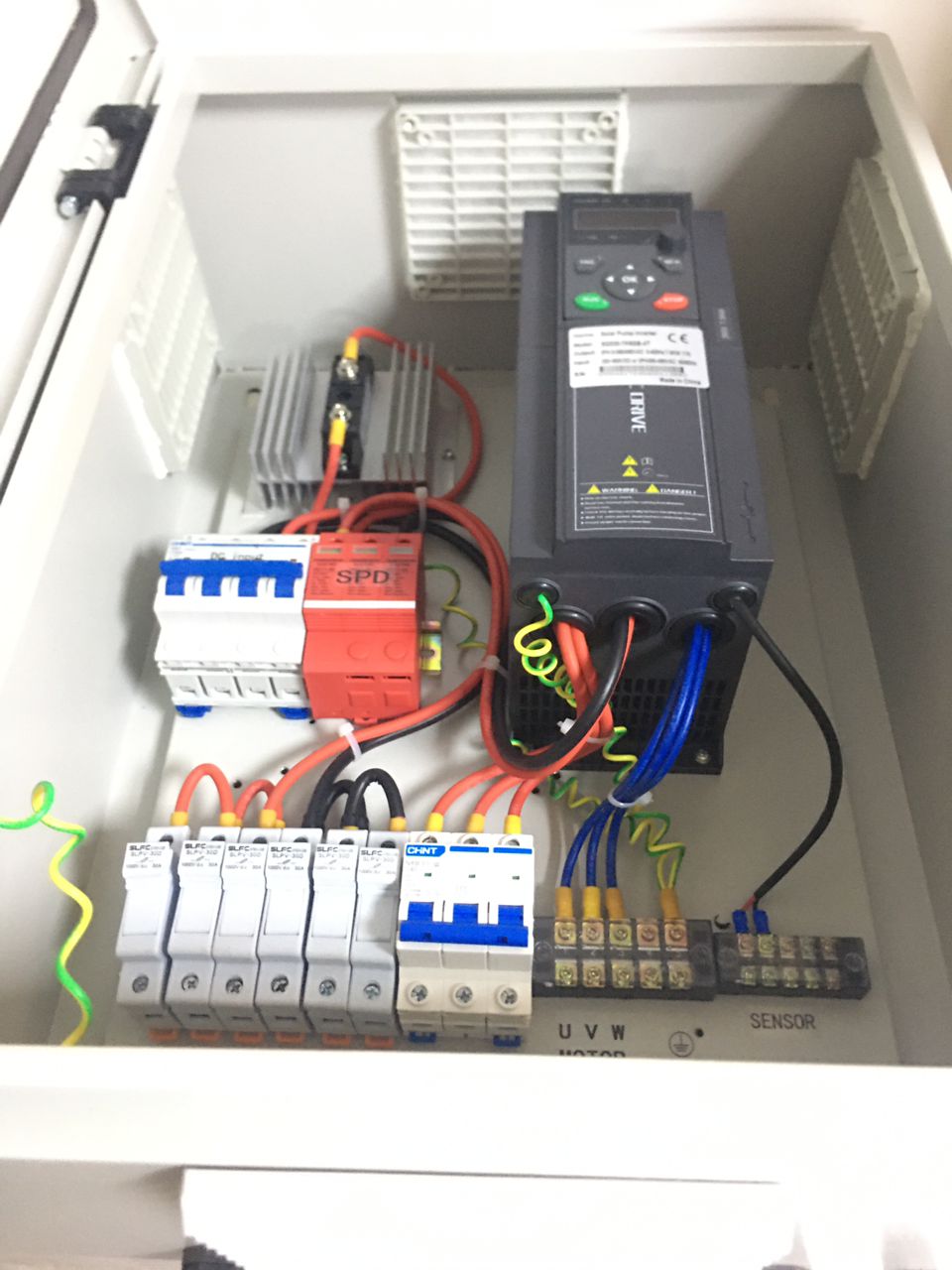
IP65 Solar Pump Controller Cabinet Introduction
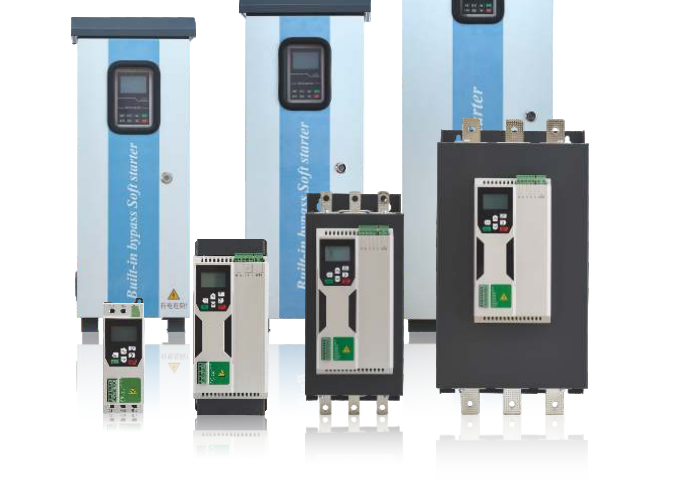
Soft Starter: The Smart Solution for Smooth Motor Control and Energy Savings
SEND MESSAGE