


How to Judge a Frequency Inverter is Good or Bad
author: jack
2022-10-08

To judge whether a frequency inverter is good or bad, you can follow several steps and consider various factors. Here's a comprehensive approach to judge:
- Visual Inspection:
- Check for any visible damage or wear on the exterior of the inverter, such as cracks, burn marks, or corroded connections.
- Verify that all the screws, terminals, and covers are properly tightened and in place.
- Operational Testing:
- Connect the inverter to a suitable power source, ensuring it meets the inverter's voltage and frequency requirements.
- Turn on the inverter and listen for any unusual noises, such as buzzing, humming, or rattling, which could indicate internal problems.
- Monitor the inverter's display (if equipped) for any error codes or abnormal readings.
- Performance Evaluation:
- Test the inverter's ability to vary the output frequency accurately and smoothly. Connect a motor or other load and observe its response to changes in frequency.
- Check the inverter's efficiency by comparing the input power with the output power. A good inverter will have a high efficiency rating.
- Verify the inverter's protection features, such as overcurrent, overvoltage, and undervoltage protection, by intentionally inducing these conditions (within safe limits) and observing the inverter's response.
- Compatibility Check:
- Ensure that the inverter is compatible with the equipment you intend to use it with, including the motor's voltage, current, and power rating.
- Check the inverter's specifications to ensure it can handle the specific needs of your application, such as the required frequency range and control method.
- Manufacturer Reputation and Warranty:
- Research the manufacturer's reputation for quality and reliability. Look for reviews from other users and professionals in your industry.
- Consider the warranty offered by the manufacturer. A longer warranty period can indicate the manufacturer's confidence in the product's quality.
- Certifications and Compliance:
- Verify that the inverter has the necessary safety and quality certifications, such as CE, UL, or RoHS, depending on your location and industry standards.
- Ensure that the inverter complies with local regulations and standards for electrical equipment.
- Professional Assistance:
- If you are unsure about your assessment or encounter complex issues, consider consulting with a qualified electrician or engineer who specializes in frequency inverters.
By following these steps, you can gain a comprehensive understanding of the condition and quality of a frequency inverter, helping you to judge whether it is good or bad for your application.
Advantages of Applying Special Inverter for Solar Water Pump
IP54 Inverter Machine Water Test
Related Article
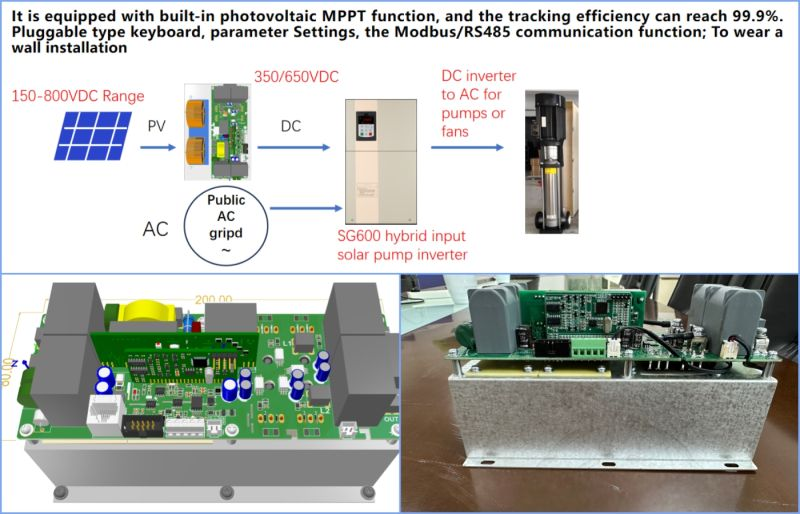
We are excited to launch our latest innovation: the SG830 DC Voltage Booster, 100-400VDC and 400-800VDC output.
Introducing New SG830 DC Booster - Higher Efficiency, Greater Possibilities

We're excited to introduce our solar pump inverter PCB boards, newly designed for low-end market, offering high compatibility, easy assembly, and unbeatable value for OEM solution.
New solar pump inverter PCB board, cost-effective OEM solution.
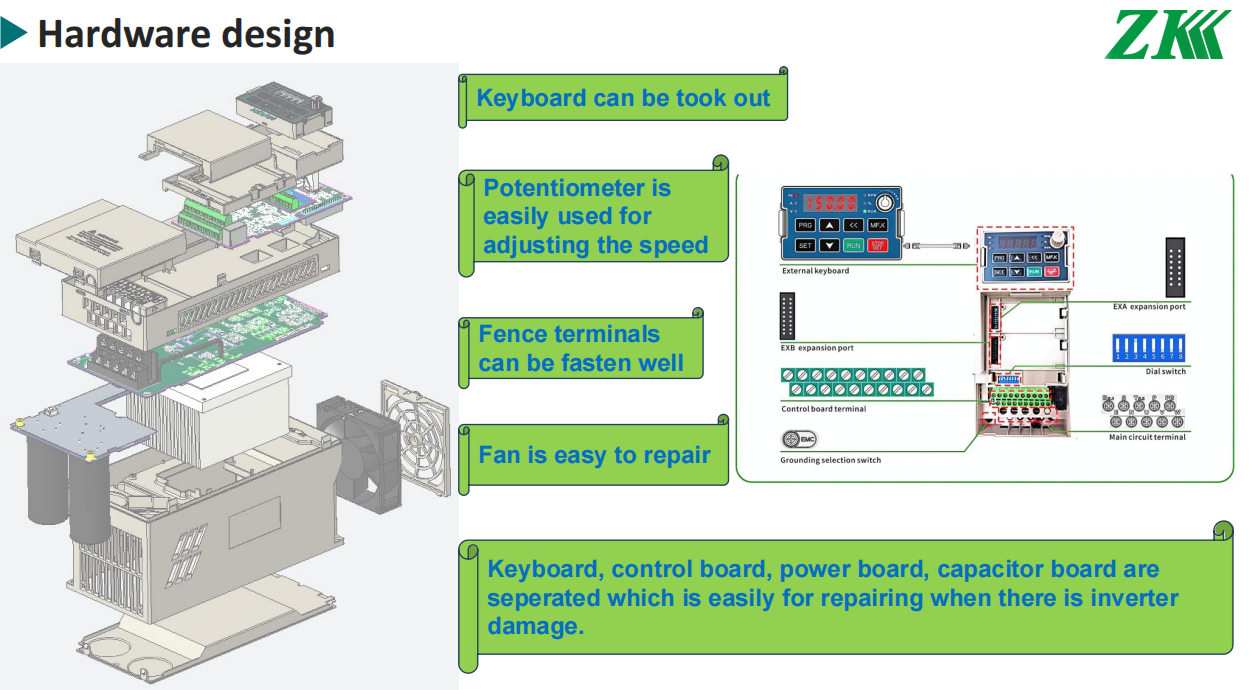
We're excited to introduce our new modular design inverter, keyboard, control board, power board, capacitor board are seperated which is easily for repairing when there is inverter damage.
New modular design solar pump inverter, with easy to maintain and replace parts.
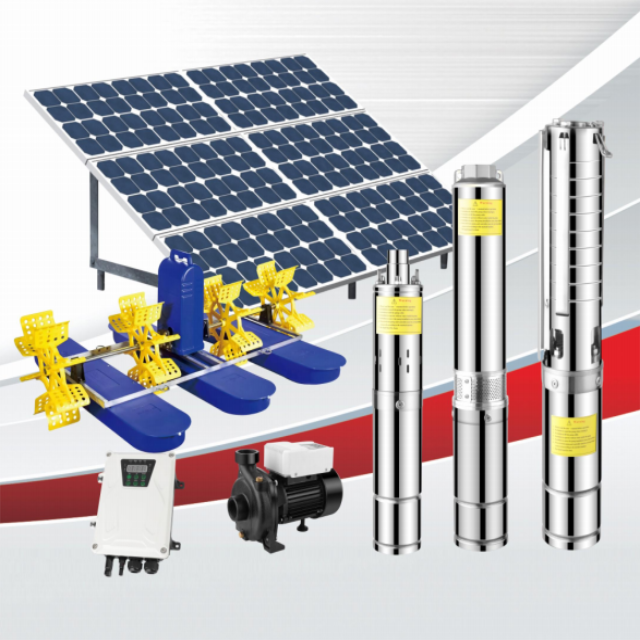
A solar-powered water pump is a sophisticated yet environmentally conscious system that harnesses the abundant energy of the sun to extract and transport water efficiently. This innovative technology integrates several key components, each playing a vital role in converting solar radiation into mechanical energy that powers the water pumping process.
What is a Solar Powered Water Pump
SEND MESSAGE