


Inverter Daily Maintenance
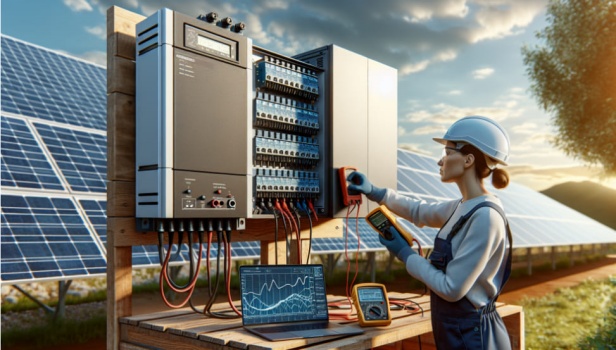
The daily maintenance of an inverter, a critical component in many electrical systems especially for renewable energy applications like solar and wind power, is essential to ensure its efficient and reliable operation. Here's a comprehensive description of the routine maintenance tasks that should be carried out:
1. Visual Inspection
- Regularly check the inverter's exterior for any signs of damage, such as cracks, dents, or corrosion.
- Inspect cables and connections for loose fittings, fraying, or exposure to the elements (e.g., water, dust). Ensure all wires are securely fastened and insulated.
- Verify that the inverter is mounted correctly and not subjected to excessive vibrations, which can cause internal damage.
2. Cleaning
- Regular cleaning of the inverter's housing and surrounding area is crucial to prevent dust and debris accumulation, which can hinder heat dissipation and lead to overheating.
- Use a soft cloth or brush to remove dust and dirt, avoiding the use of water or solvents that could damage the electronics.
- Ensure air vents are not blocked to allow proper ventilation.
3. Monitoring and Logging
- Monitor the inverter's performance regularly using the provided display or remote monitoring software. Pay attention to key indicators like power output, voltage, current, and temperature.
- Record any abnormal readings or error codes, as they may indicate underlying issues that need addressing.
- Compare performance data over time to identify trends or potential degradation.
4. Software Updates
- Check for software updates periodically. Manufacturers often release firmware updates to improve performance, add new features, or fix bugs.
- Follow the manufacturer's instructions for updating the inverter's firmware, as improper updates can cause malfunctions.
5. Periodic Professional Checks
- While daily maintenance can go a long way, periodic professional inspections (typically every 1-2 years) are recommended.
- A qualified technician will perform a thorough check of the inverter's internal components, test its functionality, and calibrate sensors if necessary.
- This also provides an opportunity to identify and address any issues that may have been missed during routine maintenance.
6. Environmental Considerations
- Ensure the inverter is installed in an environment that meets the manufacturer's specifications, including temperature and humidity ranges.
- Protect the inverter from direct sunlight, extreme weather conditions, and animals that could damage it.
By following these daily maintenance practices and engaging in periodic professional checks, you can help ensure your inverter operates at peak efficiency and extends its service life.
AC IM and PMSM Main Differences
Why Braking Resistor are Necessary
SEND MESSAGE