




Model No: PV210 Series
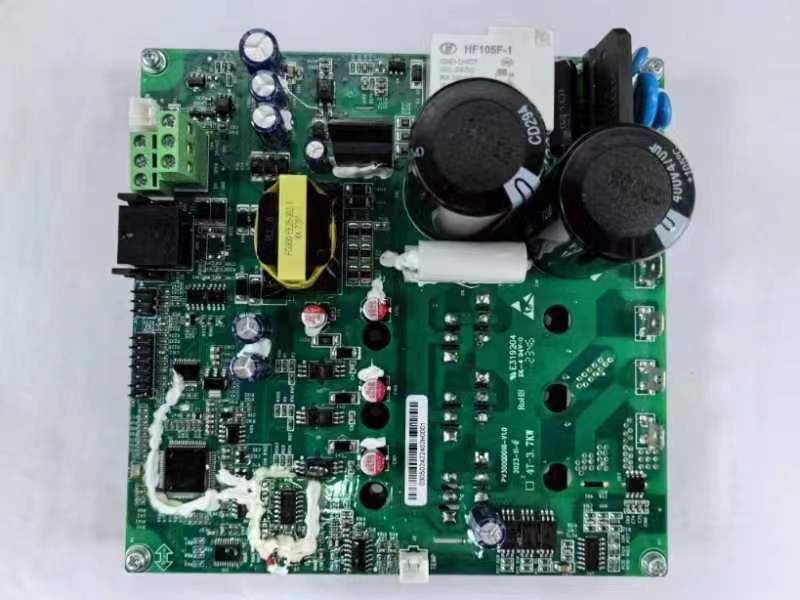
PV210 110/220/380V Solar Inverter PCB Board
Solar inverter PCB board is one of the core components in the solar inverter system, it is responsible for connecting, supporting and protecting the electronic components inside the inverter to achieve the function of converting direct current (DC) generated by the solar panel into alternating current (AC). Our PV210 solar inverter PCB board contains three series products, 1T(110V, 3phase), 2T(220V, 3phase), and 4T(380V, 3phase), all series has only DC input, no support AC input at present.
1T type: 60VDC to 400VDC input, output: 3-phase 110 ~ 230VAC, suitable for ac110 pumps
2T type: 60VDC to 450VDC input, output: 3-phase 220 ~ 240VAC, suitable for ac220 pumps
4T type: 200VDC to 800VDC input, output: 3-phase 230 ~ 460VAC, suitable for ac380 pumps
1T type: 60VDC to 400VDC input, output: 3-phase 110 ~ 230VAC, suitable for ac110 pumps
2T type: 60VDC to 450VDC input, output: 3-phase 220 ~ 240VAC, suitable for ac220 pumps
4T type: 200VDC to 800VDC input, output: 3-phase 230 ~ 460VAC, suitable for ac380 pumps
Quantity :
Product Features:
1. Circuit connection. The circuit on the PCB board connects the various electronic components inside the inverter to form a complete circuit system. The precise design and layout of these lines ensure that current and signals can be transmitted efficiently and stably.
2. Component support. PCB board provides a stable support platform for the electronic components inside the inverter. It ensures that components can be precisely installed in the specified location and can withstand environmental factors such as vibration and temperature.
3. Heat dissipation function. Because the inverter will generate a certain amount of heat during operation, the PCB board is usually designed with a heat dissipation structure, such as heat dissipation holes, heat sinks, etc., to improve the heat dissipation efficiency and ensure that the inverter can operate stably in a high temperature environment.
4. Isolation and protection. PCB board through the design of insulating materials and conductive materials, the circuit is isolated from the external environment to avoid the influence of external factors on the circuit. At the same time, it can also prevent short circuit and leakage between the internal components of the circuit to protect the safety of the circuit.


